Decoding Soundscape Influences on Precision Sports: A Study of Audience Dynamics in Darts, Snooker, and Tennis
Written by Quinn Simmons · Sep 10, 2026
Decoding Soundscape Influences on Precision Sports: A Study of Audience Dynamics in Darts, Snooker, and Tennis
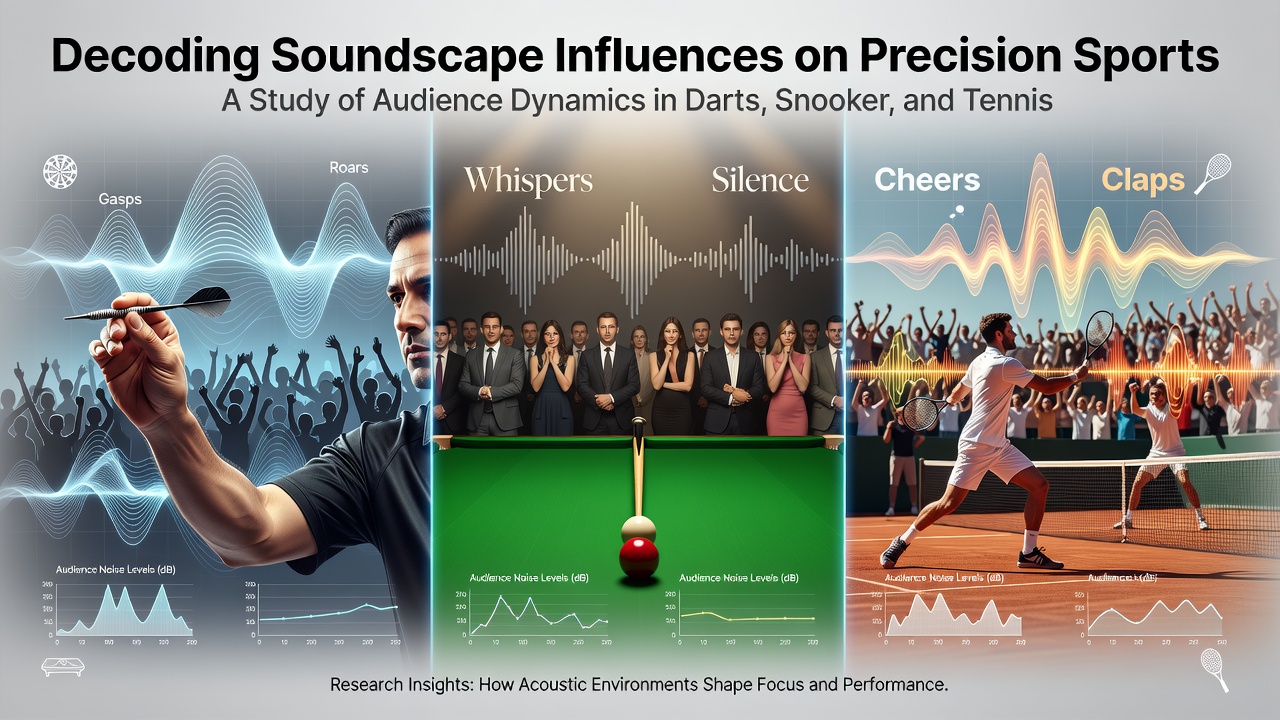
Precision sports place unique demands on athletes who must maintain focus amid varying acoustic environments, and researchers have examined how soundscapes shape performance outcomes across darts, snooker, and tennis. Data collected from multiple professional tournaments show that crowd noise levels range from near silence in snooker halls to sustained cheering in darts arenas, while tennis matches feature intermittent bursts during rallies and between points. These differences create distinct auditory conditions that competitors navigate through preparation routines and mental strategies.
Acoustic Patterns in Darts Competitions
Darts events often unfold in venues where spectators generate continuous vocal support, and measurements taken during major tournaments indicate average sound pressure levels between 85 and 95 decibels during active play. Players report that rhythmic chanting and applause can align with throwing motions, yet sudden spikes in volume sometimes coincide with critical moments such as checkout attempts. Studies conducted by the Australian Institute of Sport have tracked heart rate variability in elite throwers exposed to recorded crowd audio, revealing that consistent exposure during practice sessions correlates with steadier release timing under match conditions.
Event organizers adjust seating layouts and amplification systems to balance atmosphere with playability, and data from the Professional Darts Corporation tournaments demonstrate that venues with controlled acoustics see fewer interrupted throws compared with older halls. One analysis of 2024 season statistics found that players who competed in both high-decibel and moderated environments maintained similar scoring averages when they incorporated noise-masking headphones during warm-ups.
Snooker Hall Acoustics and Player Concentration
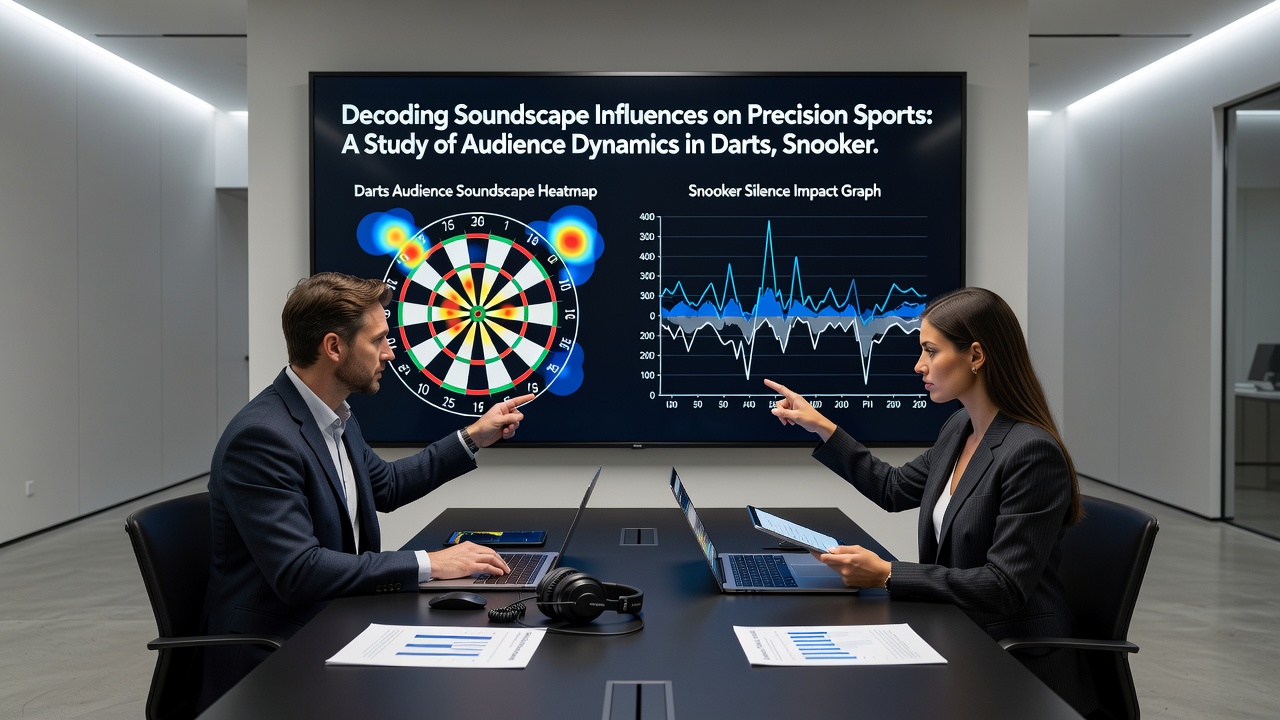
Snooker matches traditionally occur in quieter settings where audience members maintain silence during shots, and venue recordings show background noise rarely exceeds 40 decibels outside of applause intervals. This controlled soundscape allows competitors to hear the click of balls and cue strikes clearly, yet any unexpected disturbance such as a cough or camera shutter can register as significant. Research published in the Journal of Sports Sciences tracked eye movement patterns among professional players and noted that those who trained with added ambient sound layers demonstrated quicker recovery of focus after minor interruptions.
Snooker governing bodies have introduced guidelines on spectator conduct and microphone placement to preserve the traditional hush, and figures from the World Snooker Tour indicate that matches held under these protocols experience fewer referee warnings for noise-related issues. Players often describe using visualization techniques that incorporate expected quiet periods, which helps sustain rhythm across long frames.
Tennis Court Sound Dynamics
Tennis presents a hybrid acoustic profile where silence is required during serves and rallies, yet crowds erupt between points, and court-side measurements at Grand Slam events register peaks above 100 decibels during celebrations. Researchers monitoring serve accuracy across indoor and outdoor venues have observed that wind and crowd noise interact differently depending on surface type, with hard courts showing slightly more variability in first-serve percentages when external sound levels rise. The International Tennis Federation has compiled reports on venue acoustics that link optimized crowd barriers to improved player communication with line judges.
Training programs at several national federations now incorporate simulated stadium audio to prepare athletes for the contrast between practice courts and match atmospheres. Data gathered during the 2025 season showed that players who completed such programs recorded fewer double faults in high-noise tiebreaks compared with those relying solely on standard drills.
Comparative Research Findings
Cross-sport analyses conducted ahead of planned 2026 workshops scheduled for September reveal consistent patterns: athletes in precision disciplines benefit from targeted auditory training that mirrors their specific event soundscapes. A collaborative project involving Canadian and European sports institutes examined reaction times in simulated environments and found that darts and tennis competitors adapted faster to variable noise than snooker players, whose baseline conditions emphasize minimal distraction. These observations have prompted federations to share best practices on pre-event sound exposure and in-venue acoustic adjustments.
Equipment manufacturers have also responded by developing earpieces that filter selected frequencies while preserving essential cues such as ball impact sounds. Field tests at professional events indicate these devices reduce perceived distraction without violating competition rules on external assistance.
Conclusion
Soundscape management continues to evolve as governing bodies and researchers collect more granular data on audience dynamics across darts, snooker, and tennis. Ongoing monitoring programs and cross-disciplinary studies scheduled through late 2026 aim to refine guidelines that support consistent performance regardless of venue acoustics. The evidence gathered so far underscores that preparation tailored to each sport's typical sound environment remains a measurable factor in competitive outcomes.