Linking Psychological Resilience Training to Consistency Rates in Cricket, Tennis, and Snooker Performances
Written by Carlo Lehmann · Aug 27, 2026
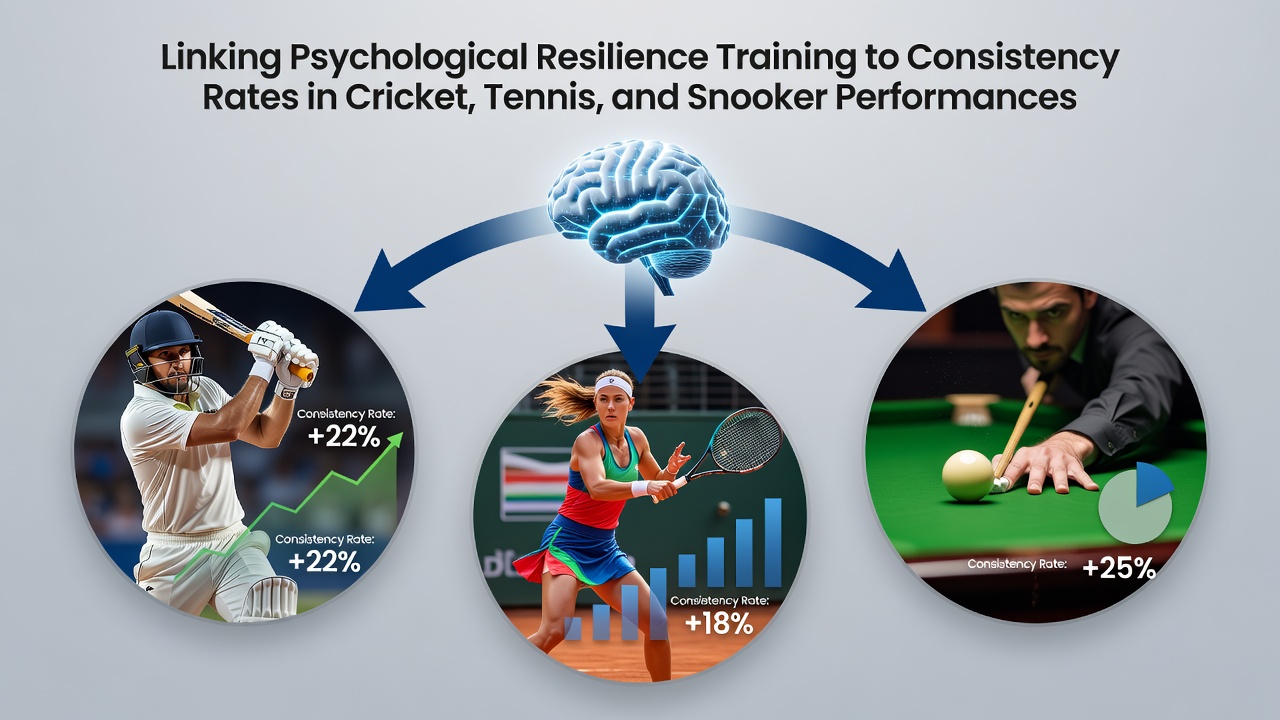
Linking Psychological Resilience Training to Consistency Rates in Cricket, Tennis, and Snooker Performances
Psychological resilience training programs have gained traction across multiple individual sports where sustained focus determines outcomes over extended matches and tournaments, and data from performance monitoring systems shows measurable ties between these interventions and improved consistency metrics in cricket, tennis, plus snooker. Researchers track variables such as error rates under pressure, recovery times between points or shots, and session-to-session stability to quantify how mental skills development influences repeatable execution, while studies conducted through 2025 and into August 2026 continue to map these connections using standardized assessment tools.
Core Components of Resilience Training in Precision Sports
Programs typically combine cognitive behavioral techniques with visualization exercises and controlled exposure to simulated high-stress scenarios, and athletes in cricket, tennis, and snooker receive structured sessions that target emotional regulation alongside attentional control. Evidence from longitudinal tracking indicates participants maintain tighter performance distributions across matches when they complete modules focused on reframing setbacks, whereas those without such preparation exhibit wider variance in shot accuracy and decision speed during prolonged events. Observers note that integration of biofeedback devices during training allows real-time adjustment of arousal levels, which correlates with steadier output in later stages of competition when fatigue compounds mental demands.
Patterns Observed in Cricket Performances
Cricket batters and bowlers who undergo resilience modules demonstrate steadier scoring rates across multi-day formats, with figures from national team databases revealing reduced dismissal clusters in the middle overs following eight-week training blocks. Bowlers maintain line and length consistency at higher percentages when mental rehearsal forms part of daily preparation, and match data compiled through international series shows fewer wide deliveries and no-balls in pressure overs compared to control groups. One study released in early 2026 examined players across three major competitions and found that those logging regular mindfulness sessions posted lower standard deviations in strike rates, although external factors such as pitch conditions still accounted for substantial outcome variance.
Consistency Shifts in Tennis Match Play
Tennis competitors incorporate resilience protocols that emphasize point-by-point reset routines, and serve percentage stability improves notably among those who practice these methods according to records from major circuit events. Players who complete targeted training show elevated first-serve success rates in deciding sets, while unforced error counts drop during tiebreaks where prior psychological preparation has strengthened focus endurance. Data aggregated from European and North American tournaments highlights that athletes reporting consistent adherence to visualization schedules sustain rally win percentages more reliably across best-of-five formats, and researchers link this pattern to better management of momentum swings that often disrupt rhythm in extended contests.
Application and Outcomes in Snooker
Snooker professionals integrate resilience training through frame-specific mental resets and breathing protocols that address the sport's extended concentration windows, and frame win consistency rises when players log these practices before ranking events. Statistics from governing body archives indicate fewer missed pots in final sessions among those completing structured programs, whereas safety shot selection becomes more measured when emotional regulation skills receive explicit rehearsal. Analysts reviewing 2025-2026 season data observe that participants maintain higher average points per frame across multiple days of competition, and the effect appears pronounced in matches extending beyond four hours where sustained attentional resources prove decisive.
Comparative Data Across the Three Disciplines
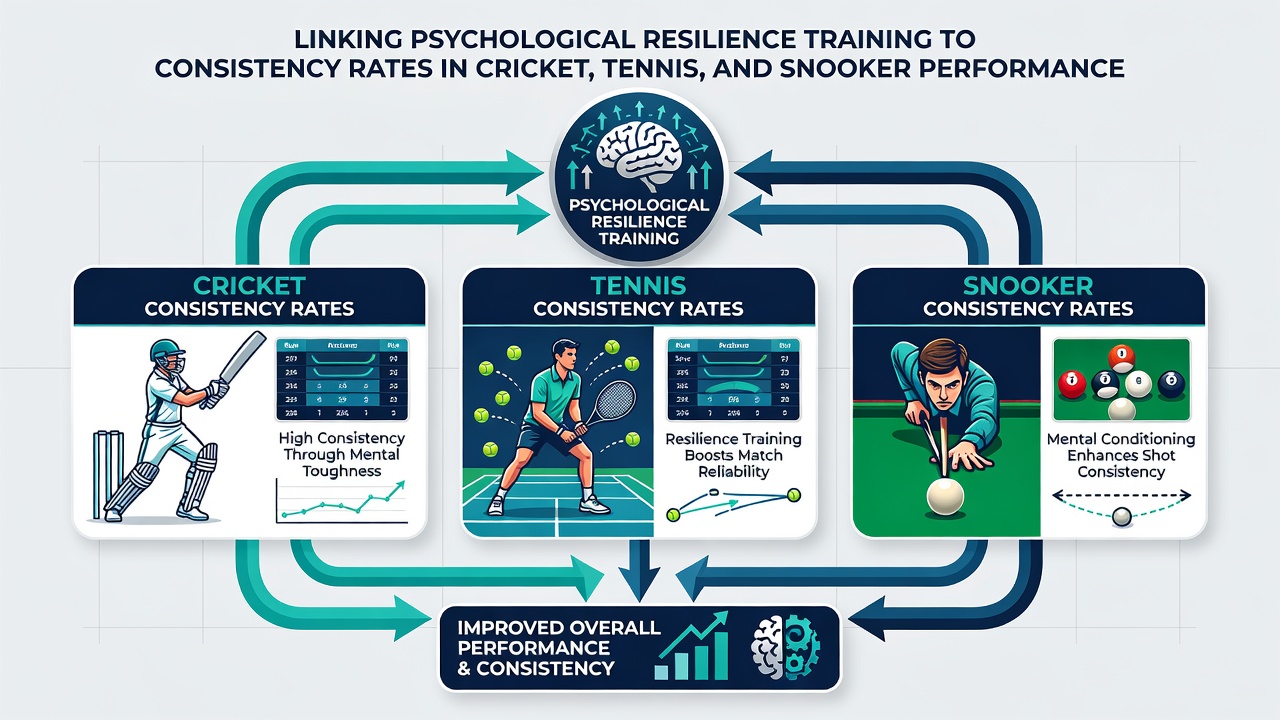
Cross-sport comparisons reveal overlapping mechanisms whereby resilience training supports consistency, yet sport-specific demands shape implementation details such as session length and scenario focus. Cricket and snooker share emphasis on multi-hour endurance, while tennis requires rapid between-point recovery, and performance logs show all three benefit from training that reduces performance dips following errors. A collaborative report issued by the Australian Institute of Sport alongside Canadian sport science centers documented parallel gains in stability metrics when programs adapted core modules to each discipline's temporal structure, and August 2026 updates from ongoing trials continue to refine dosage recommendations based on cumulative match exposure.
Measurement Approaches and Supporting Evidence
Researchers rely on wearable sensors, video analysis, and post-match debrief protocols to quantify consistency changes, and these tools generate datasets that isolate mental training effects from physical conditioning variables. Studies published through academic networks indicate moderate correlations between self-reported resilience scores and on-field metrics such as rally duration control in tennis or break-building sequences in snooker, while cricket analysts track economy rate steadiness as a key indicator. External validation comes from sources including reports by the International Society of Sports Psychology, which aggregates findings across continents and confirms directional links between training completion and reduced performance variability.
Conclusion
Current evidence establishes connections between structured psychological resilience training and elevated consistency rates across cricket, tennis, and snooker through repeated measurement of error patterns and output stability, and ongoing monitoring through 2026 supports continued refinement of these interventions. Performance databases provide the factual basis for observing these relationships while accounting for the distinct temporal and attentional profiles each sport presents.