Mapping Nutritional Synchronization Protocols with Recovery Timelines Across Equestrian Circuits, Track Events, and Racket Competitions
Written by Quinn Hughes · Oct 8, 2026
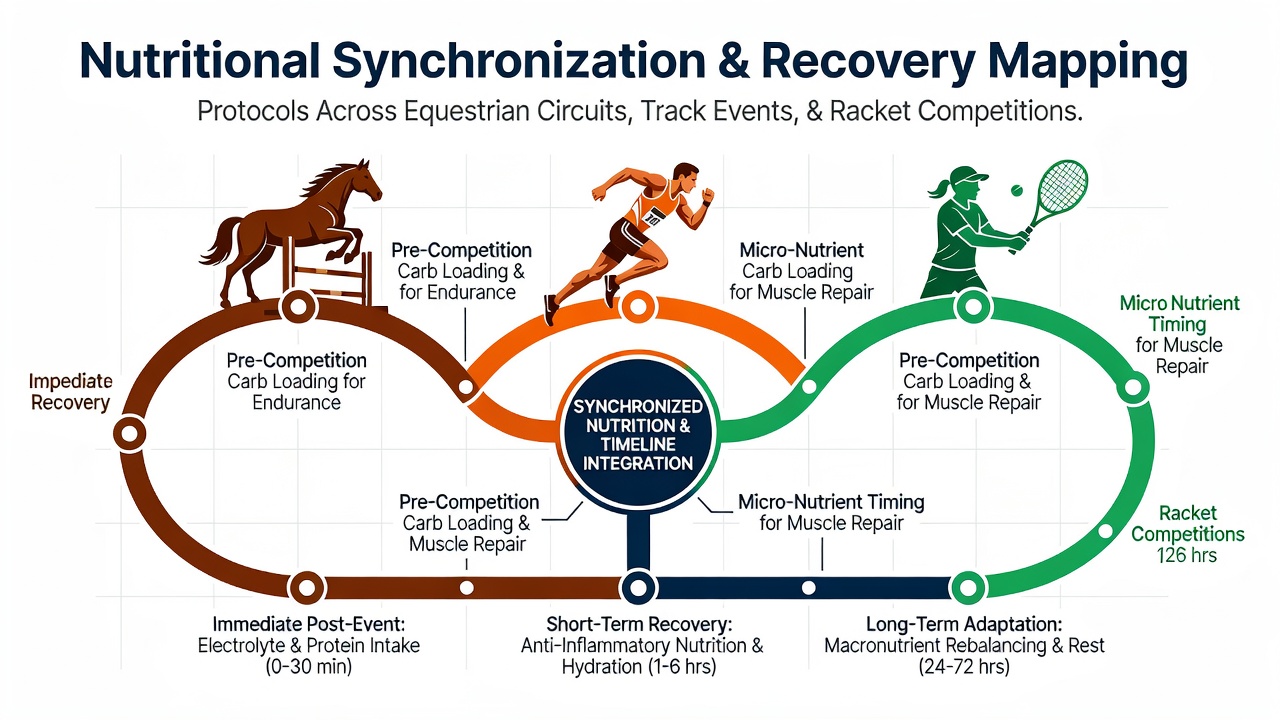
Mapping Nutritional Synchronization Protocols with Recovery Timelines Across Equestrian Circuits, Track Events, and Racket Competitions
Nutritional synchronization protocols align macronutrient intake, micronutrient timing, and hydration strategies with post-exertion recovery windows across equestrian circuits, track events, and racket competitions, while researchers continue to refine these approaches based on physiological data collected through 2026. Athletes and support teams examine how glycogen replenishment cycles intersect with muscle repair phases that follow intense training blocks or competition days, and data from multiple studies show consistent patterns in how specific feeding windows influence return-to-baseline metrics in heart rate variability and inflammatory markers.
Equestrian Circuits and Nutrient Timing Windows
Eventing and show-jumping schedules often span multiple days with early morning veterinary checks followed by afternoon classes, which creates compressed recovery intervals that demand precise carbohydrate and protein delivery within 30 to 120 minutes after each round. Observers note that riders and grooms coordinate electrolyte solutions and branched-chain amino acid supplements around travel between venues, while studies tracking plasma amino acid levels indicate faster muscle protein synthesis when feeds occur before full cool-down periods finish. In October 2026 several major circuits will host back-to-back international qualifiers, and teams are already testing synchronized protocols that pair overnight casein intake with morning glucose monitoring to maintain steady energy substrates across long hauls.
Track Events and Recovery Phase Mapping
Sprint and middle-distance athletes follow recovery timelines measured in hours rather than days when championship schedules include heats, semis, and finals within 48-hour blocks, and protocols emphasize rapid glycogen restoration through targeted carbohydrate ratios calculated from individual body-mass and event-duration data. Research indicates that athletes who consume 1.2 grams of carbohydrate per kilogram within the first two hours post-race demonstrate quicker restoration of muscle glycogen stores compared with delayed feeding groups, while concurrent anti-inflammatory micronutrient packages support reduced creatine kinase elevations tracked across repeated bouts. Those who have monitored collegiate and elite track programs report that hydration status checked via urine specific gravity guides sodium replacement volumes that align with subsequent warm-up demands.
Racket Competitions and Precision Fueling
Tennis and squash tournaments frequently extend across five or more matches in a single week, which forces support staff to map nutritional intake against variable match durations and court-surface recovery needs, and players integrate liquid carbohydrate sources during changeovers to maintain blood glucose without gastrointestinal load. Evidence from performance laboratories shows that combining 0.3 grams of protein per kilogram with carbohydrates immediately after play accelerates neuromuscular recovery markers measured through countermovement jump height, while sleep-optimized casein shakes before overnight rest further support overnight muscle repair cycles. Data collected at major indoor venues reveal that athletes who synchronize caffeine timing with pre-match meals experience steadier focus metrics across consecutive days of competition.

Cross-Discipline Comparisons of Recovery Timelines
Comparative analyses across the three domains highlight that equestrian riders often require extended connective-tissue recovery windows due to impact absorption during jumping phases, whereas track sprinters focus on neural fatigue resolution within 24 hours and racket players manage repetitive upper-body strain that benefits from anti-oxidant timing. Figures from longitudinal monitoring programs indicate that overlapping protocols, such as shared use of tart cherry concentrate for inflammation modulation, produce measurable reductions in next-day soreness scores when administered consistently. Teams integrate wearable sensor data that feed into individualized dashboards, allowing nutritionists to adjust feeding intervals based on real-time heart-rate recovery slopes recorded after each session.
Implementation Tools and Monitoring Systems
Software platforms now aggregate blood biomarker trends with GPS workload metrics to generate daily synchronization schedules, and several governing bodies have published guidelines that outline safe ranges for macro-nutrient distribution across different event densities. According to resources from the Australian Institute of Sport, structured carbohydrate periodization around travel and competition blocks supports sustained performance output, while similar frameworks developed by Sport Canada emphasize micronutrient tracking for athletes competing in variable climate conditions. These systems allow coaches to visualize how a missed feeding window on day two of a circuit affects subsequent recovery curves measured through neuromuscular testing.
Conclusion
Mapping nutritional synchronization protocols against recovery timelines continues to evolve through integrated data streams collected across equestrian, track, and racket environments, and October 2026 competitions will serve as further test cases for refined models that link intake timing directly to physiological readiness indicators. Organizations maintain ongoing research partnerships to validate these approaches under real-world scheduling pressures, ensuring that protocols remain adaptable to individual responses while supporting consistent performance across multi-day formats.