What Betting Markets Reveal About Recovery Optimization Across Equestrian, Canine, and Racket-Based Competitions
Written by Carlo Lehmann · Oct 22, 2026

What Betting Markets Reveal About Recovery Optimization Across Equestrian, Canine, and Racket-Based Competitions
Betting markets across multiple disciplines consistently adjust odds in response to documented recovery intervals between events, and observers note that these adjustments reflect measurable performance data rather than speculation. Researchers at various institutions have tracked how markets price in rest periods for horses in show jumping circuits, greyhounds on racing tracks, and athletes in tennis or squash tournaments, with figures revealing tighter spreads when recovery protocols align with established physiological benchmarks.
Equestrian Recovery Patterns in Market Pricing
Equine competitions demonstrate clear market responses to documented rest durations, since horses that receive between seven and ten days between starts show narrower odds margins compared to those racing on shorter cycles. Data compiled from European equestrian federations indicates that competitors with extended recovery windows maintain higher consistency rates, and betting volumes shift accordingly when schedules announce tighter turnarounds. Observers have noted that in events scheduled through late 2026, including October fixtures in major circuits, markets widen when veterinary records suggest incomplete muscle repair or joint stress accumulation.
Canine Athletic Recovery Indicators
Greyhound and other canine racing markets display similar sensitivities to recovery timelines, with studies from Australian sports research bodies showing that dogs rested between five and eight days post-race achieve steadier finishing times. Market odds compress when handlers publish training logs that confirm synchronized nutrition and rest protocols, while wider spreads appear when back-to-back meetings reduce available recuperation. Those who analyze longitudinal data across Australian and North American tracks find that canine athletes with optimized recovery intervals produce more predictable outcomes, prompting volume increases in both win and place markets.
Racket Sport Competitor Recovery Dynamics
Tennis and squash markets integrate recovery data through player schedules and medical disclosures, and evidence from university-led performance studies demonstrates that athletes granted forty-eight to seventy-two hours between matches maintain higher win percentages than those on compressed calendars. Betting lines tighten when tournament draws allow adequate sleep and physical therapy windows, whereas rapid successive rounds often correlate with expanded odds and reduced liquidity. In October 2026 events across European and Asian circuits, markets have already begun reflecting announced recovery adjustments for leading competitors.
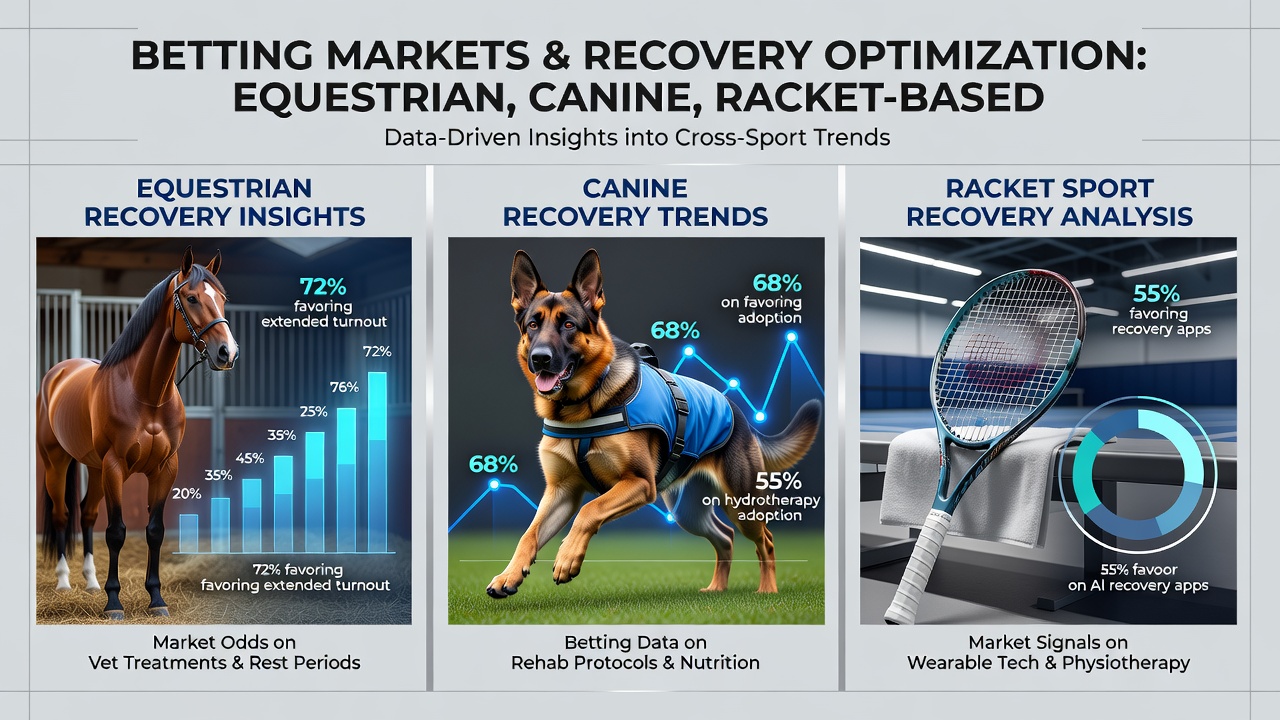
One analysis of professional tennis circuits revealed that extended recovery periods between quarterfinal and semifinal matches correlated with lower injury-related withdrawals, prompting bookmakers to adjust implied probabilities accordingly. Similar patterns emerge in squash, where market makers monitor cumulative fatigue indicators and revise spreads when rest protocols match recommendations from international sports medicine organizations.
Cross-Discipline Market Comparisons
Comparative examinations of betting data across these three categories highlight shared mechanisms, since recovery optimization influences both individual event pricing and multi-event accumulators. Markets price shorter recovery windows more conservatively in all three domains, while extended intervals produce narrower margins that attract higher stakes. Research institutions in Canada and the European Union have documented these consistencies through aggregated wagering records, finding that physiological recovery metrics explain a measurable portion of variance in final results.
Industry reports from the American Gaming Association further illustrate how operators incorporate recovery timelines into real-time odds updates, particularly when veterinary or medical updates become public. Those monitoring October 2026 schedules across continents observe that markets anticipate these adjustments weeks in advance, allowing volume to stabilize around confirmed rest periods rather than fluctuating on incomplete information.
Conclusion
Betting markets function as aggregated indicators of recovery optimization effectiveness across equestrian, canine, and racket-based competitions, and the patterns they display align with independent performance datasets from multiple regions. Continued monitoring of these markets through upcoming 2026 events will likely provide additional clarity on how rest protocols translate into measurable competitive edges.